Safe Bat Removal Solutions for Attics, Roofs, and Buildings
Thorough Wildlife Control to Maintain Your Property
Thorough wildlife management is necessary for defending properties from the dangers created by typical pest species. Mice and rats, raccoons, and squirrels can inflict considerable destruction and present health risks. Studying their conduct and the conceivable consequences on residential areas is the opening move in successful management. Nevertheless, numerous techniques exist to handle these threats. Finding the most suitable strategy can prove highly beneficial in ensuring a protected and peaceful setting. What approaches should homeowners highlight to provide permanent protection?
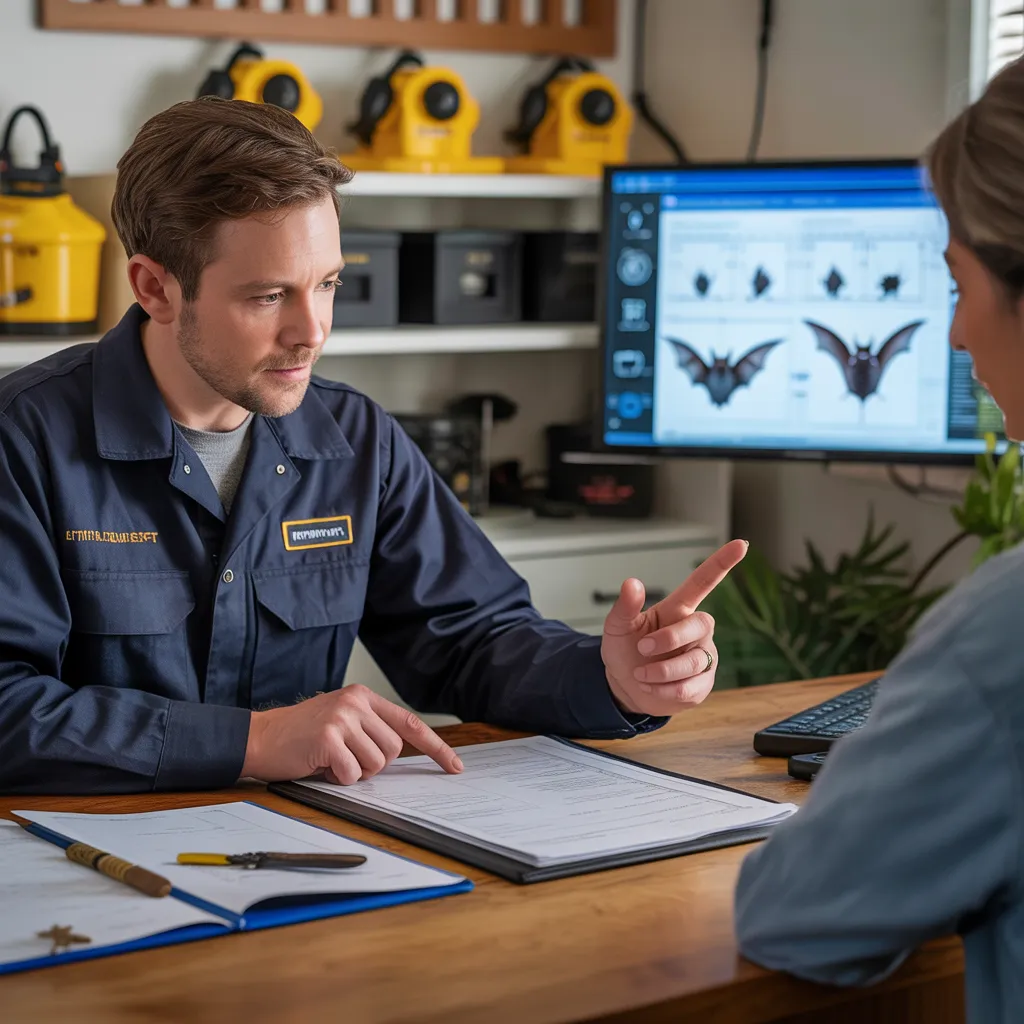
Spotting Standard Fauna Pests and Their Potential Dangers
Property owners commonly encounter a range of animal intruders that pose substantial dangers to property and health. Typical invaders comprise rodents, raccoons, squirrels, and bats. Rodents, such as mice and rats, can damage insulation and wiring while spreading diseases through their droppings. Raccoons are well-known for ransacking garbage and can carry parasites harmful to humans. Squirrels may chew wooden structures and electrical wiring, causing potential fire hazards. Bats, while beneficial for insect control, can present health risks through their droppings, which may contain histoplasmosis spores. Each of these pests not only threatens the physical integrity of a home but also the well-being of its occupants. Recognizing the indicators of infestations, such as droppings, gnaw marks, and nests, is essential for homeowners. Early identification allows for timely intervention, reducing the associated with these common wildlife pests.
Understanding the Impact of Animal Management on Your Property
Effective pest management measures influence the security and structural soundness of a property. When wildlife is handled properly, property owners can decrease potential harm caused by unwanted animals, such as structural deterioration and food source contamination. A preventative strategy to wildlife control not only safeguards physical assets but also enhances the overall health of the environment surrounding the property.
Also, strong control reduces the risk of illness transmission, safeguarding both inhabitants and pets. Wildlife can carry multiple pathogens that pose threats to human health; as a result, managing these populations is essential for maintaining a protected living space. Additionally, successful wildlife control generates a sense of security, allowing property owners to engage in recreational activities without fear of encounters with unwanted creatures. Ultimately, comprehending the impact of wildlife control is vital for ensuring that a property remains a safe, healthy, and welcoming environment for its occupants.
Verified Procedures for Controlling Wildlife Outbreaks
Adopting proactive measures is essential for preventing animal intrusions. Property owners can markedly lower the exposure by preserving cleanliness and locking in food sources. This includes proper waste disposal and keeping pet food inside. Additionally, plugging access gaps, read this article such as gaps in foundations, ventilation ducts, and chimney stacks, can discourage creatures from entering structures.
Landscaping is fundamentally important; trimming back trees and shrubs near buildings reduces potential nesting sites. Installing fences around gardens can better defend against herbivorous wildlife.
Frequent inspections of the property help identify signs of potential infestations early, allowing for timely solutions. Utilizing motion-activated lights or noise deterrents can also repel wildlife from approaching.
Humane Creature Removal Techniques to Review Next
Using ethical wildlife control methods encourages a harmony between safeguarding homes and honoring animal welfare. These approaches emphasize safe techniques to manage wildlife interactions efficiently. One standard method is the use of live traps, allowing for the humane trapping and relocation of animals without harm. Additionally, preventive measures, such as blocking access routes and eliminating food sources, can prevent wildlife from entering properties.
Modifying habitat is another humane method, involving the alteration of areas to make them less inviting to undesirable animals. For instance, keeping yards clean and keeping trash in secure containers can markedly reduce wildlife encounters.
Moreover, implementing organic solutions, such as predator scents or aromatic deterrents, can encourage wildlife to maintain distance. These strategies not only preserve property but also enable coexistence with local wildlife, strengthening a respectful relationship between humans and nature.
When is it time to phone wildlife management specialists?
Figuring out the right time to contact wildlife control experts often copyrights on recognizing signs of invasion and assessing property damage. Homeowners should stay alert for strange animal activity or tangible signs of wildlife presence. Quick response can stop further harm and ensure humane and safe removal of any invading animals.
Signs Of Pest Invasion
Detecting the signs of a wildlife problem is vital for rapid response. Homeowners should stay vigilant for various indicators that may point to the arrival of undesirable animals. Frequent signs feature droppings, which can vary in size and shape depending on the species, and unusual noises, mainly during the night. Additionally, marks or damage on walls and surfaces may suggest animal occupation, while dens or nests spotted around the property can additionally establish an infestation. Vanishing food shortages, gnawed wires, or damaged insulation may also suggest wildlife access. If these signs are observed, it is vital to consult wildlife control professionals to assess the situation and execute effective solutions before the problem escalates.
Property Damage Evaluation
For homeowners dealing with possible wildlife infestations, assessing property damage caused by wildlife is essential. Damage signs may comprise damaged wiring, wood that has been gnawed, and insulation that is torn, often indicating rodents or other animals are present. It is also important to inspect for droppings, materials used for nests, and structural weaknesses, which might lead to expensive repairs if ignored. In addition, water damage from animal entry points can compromise the integrity of the property. When damage is extensive or the infestation origin is uncertain, calling wildlife control professionals becomes vital. These specialists can assess the site, implement successful removal plans, and prevent future problems, ensuring the property remains secure and intact.
Tips for Keeping Wildlife Away Permanently
Deterring animals at bay requires a thorough approach that combines protective measures, habitat modification, and regular care. Robust deterrence commences by protecting food supplies; homeowners should place pet food, birdseed, and refuse in locked bins. Cutting off moisture sources, including blocked drainage or standing water, also reduces animal attraction.
Habitat change is crucial. Excessive plant material needs to be trimmed, and likely nesting areas, like woodpiles and dense shrubs, must be taken out. Erecting a fence can keep out larger animals from accessing yards, while smaller creatures can be deterred by using barriers.
Constant maintenance is vital for long-term results. Periodic checks of the estate should be completed to locate new access routes or traces of wildlife activity. Speedy restoration and tweaks will confirm that set barriers remain effective. By steadily applying these methods, property owners can form an atmosphere that discourages animal intrusion, defending their dwellings and gardens for the duration.
Recommendations for Coexisting Peacefully With Local Wildlife
Coexisting peacefully alongside local wildlife improves both the environment and community well-being. To attain this harmony, people can implement many useful strategies. To begin with, protecting trash bins and compost piles prevents animals from foraging, decreasing unwanted wildlife interactions. In addition, maintaining native plants in gardens creates a natural habitat that supports local wildlife while minimizing invasive plants that may disrupt local ecological systems.
Also, homeowners should avoid poisonous chemicals, as these toxic agents can detrimentally influence both creatures and the natural surroundings. Educating the public about regional animal patterns builds understanding and lessens fear. Adding wildlife-friendly fencing can also help safeguard gardens without injuring wildlife.
To summarize, joining forces with local conservation groups can make available resources and support for wildlife-friendly practices. By deploying these strategies, communities can savor the benefits of local wildlife while securing safety and sustainability for all.

Frequently Submitted Questions
What statutory guidelines govern Wildlife Control in My area?
Wildlife regulations pertaining to animal control vary depending on location and typically encompass permits, forbidden techniques, and set seasons. People should consult with local wildlife agencies for detailed guidelines to guarantee adherence to regional laws and regulations.
What Is the Average Cost of Expert Animal Removal?
Pest control professionals normally cost between $200 and $600, reliant on aspects like the species involved, extent of the occurrence, and treatments needed. Extra fees might be added for return trips or preventative methods.
Will Animal Removal Procedures Damage House Pets or Farm Stock?
Control techniques for wildlife can potentially harm pets or livestock if not properly managed. Some techniques may unintentionally impact unintended wildlife, highlighting the significance of choosing skilled experts who place emphasis on the welfare of every animal present.
How Should I Handle if I Find Injured Animals on My Property?
When you encounter hurt animals, you should calmly observe from a distance, refrain from touching it, and contact local wildlife rehabilitation services or animal control for professional assistance to ensure the animal gets adequate treatment.
Are there seasonal trends in animal behavior I should be aware of?
Seasonal fluctuations in wildlife activity often peak during spring and fall. Animals may be more noticeable looking for food and shelter, while winter brings dormancy or migration. Awareness of these tendencies aids in effective wildlife management.